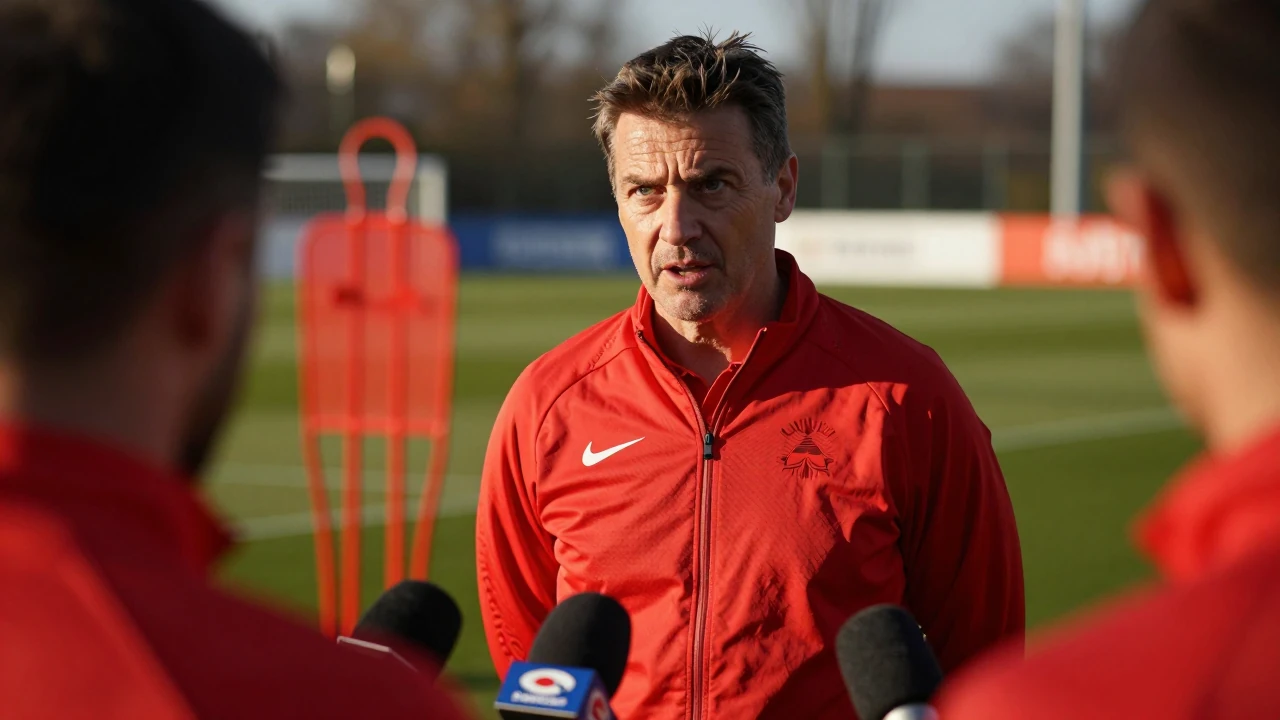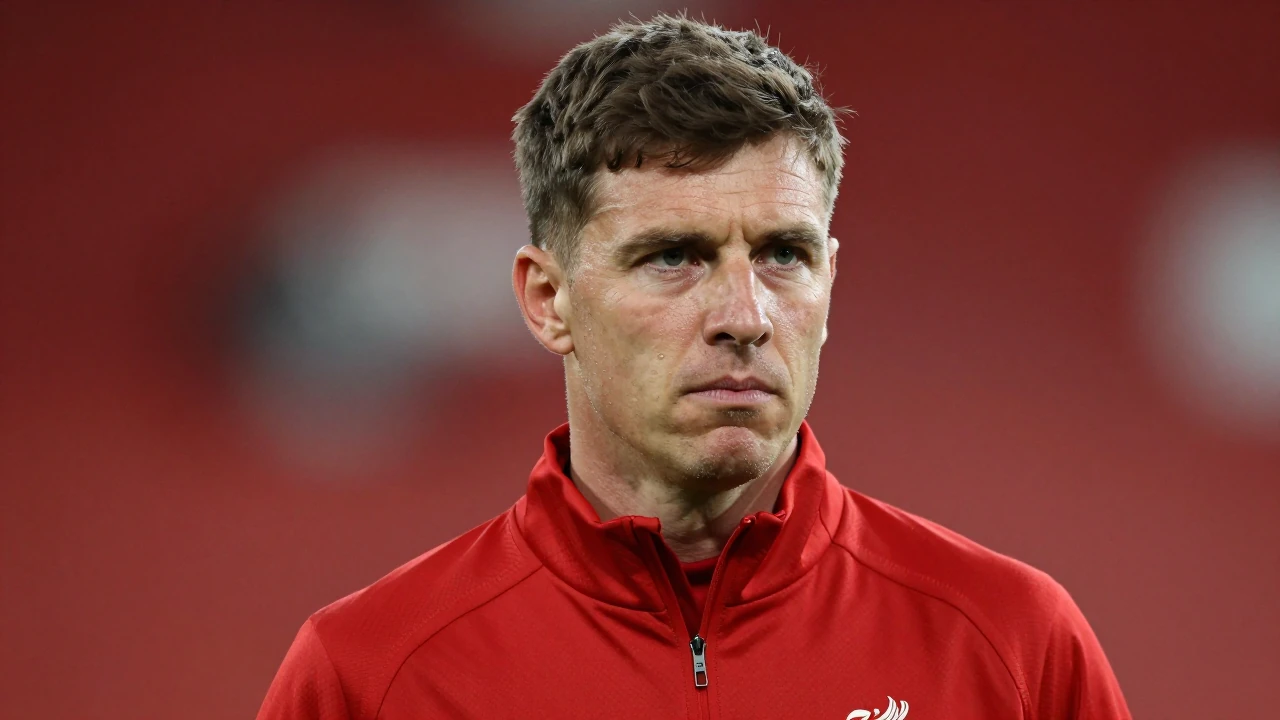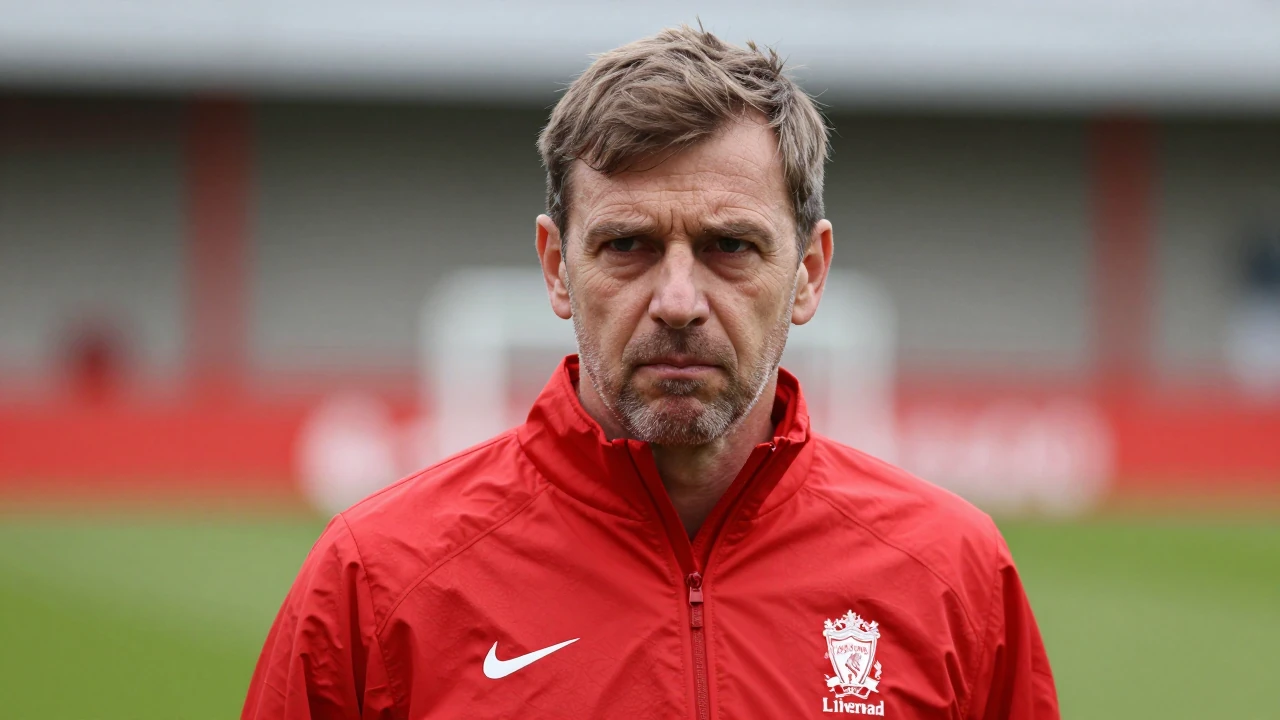

A community project is rebuilding the childhood home of Liverpool F.C. Legend Bill Shankly in his native Scottish village of Glenbuck. The initiative is led by Shankly's eldest granddaughter Karen Gill and aims to restore the two-room house where the iconic manager grew up with his nine siblings.
The Shankly Glenbuck Village Community Interest Company, a not-for-profit social enterprise, is running the project. A crowdfunding campaign seeks to raise £250,000 for the initial phase of reconstruction. "This is not a commercial project. It is community based," Karen Gill said. The work will eventually include sustainable accommodation and a visitor centre alongside the faithfully rebuilt home.
Bill Shankly was born and raised in Glenbuck, a former mining village in East Ayrshire. The community was largely demolished after its coal seam was exhausted. Shankly's family home had no running water or electricity. He described the village as a place of pride populated by characters who made their own world. After retiring from management in 1974, Shankly returned to walk the surrounding hills with his family.
A memorial stone to Shankly stands on a hill in Glenbuck, where visiting Liverpool fans often lay scarves and other mementoes. The nearby ghost football pitch, still visible, belonged to the local Glenbuck Cherrypickers team coached by Shankly's father. That team produced several professional players, including multiple Shankly family members, Sandy Brown, and Sandy Tait, who were part of the 1901 FA Cup-winning side.
Bill Shankly took over an ailing Liverpool side in 1959 and transformed the club's fortunes. He led the team to three First Division league titles, laying the foundation for the dynasty that followed. A statue of Shankly was erected outside Anfield in 1997, a permanent tribute to his legacy. His managerial career began after a long playing spell with Preston North End, following his start at Carlisle United.
The village of Glenbuck itself has a rich history of resistance, with residents in the 1870s pushing back against mine owners' pressure over socialist visitors like Keir Hardie. The area's economy was built on iron ore and coal mining.
As this historical project advances, the modern Liverpool team handles the early part of the 2026-27 season. The club currently sits 13th in the Premier League table with 2 points from their opening two matches, both draws. They have scored 4 goals and conceded 4, resulting in a goal difference of zero. This leaves them 4 points behind the early leaders, Manchester City. Fans can track the team's progress on our standings and stats pages.
The next challenge for the squad is a significant one: an away match against rivals Everton on November 28th. Everton are currently 7th in the table, making the derby a key fixture. Supporters can view the full schedule on our fixtures page.
Karen Gill emphasized the project's focus. "Our first stage is to rebuild his house as it was," she stated. The effort ensures the physical roots of one of football's most influential figures are preserved for future generations of Liverpool supporters to connect with their club's history.