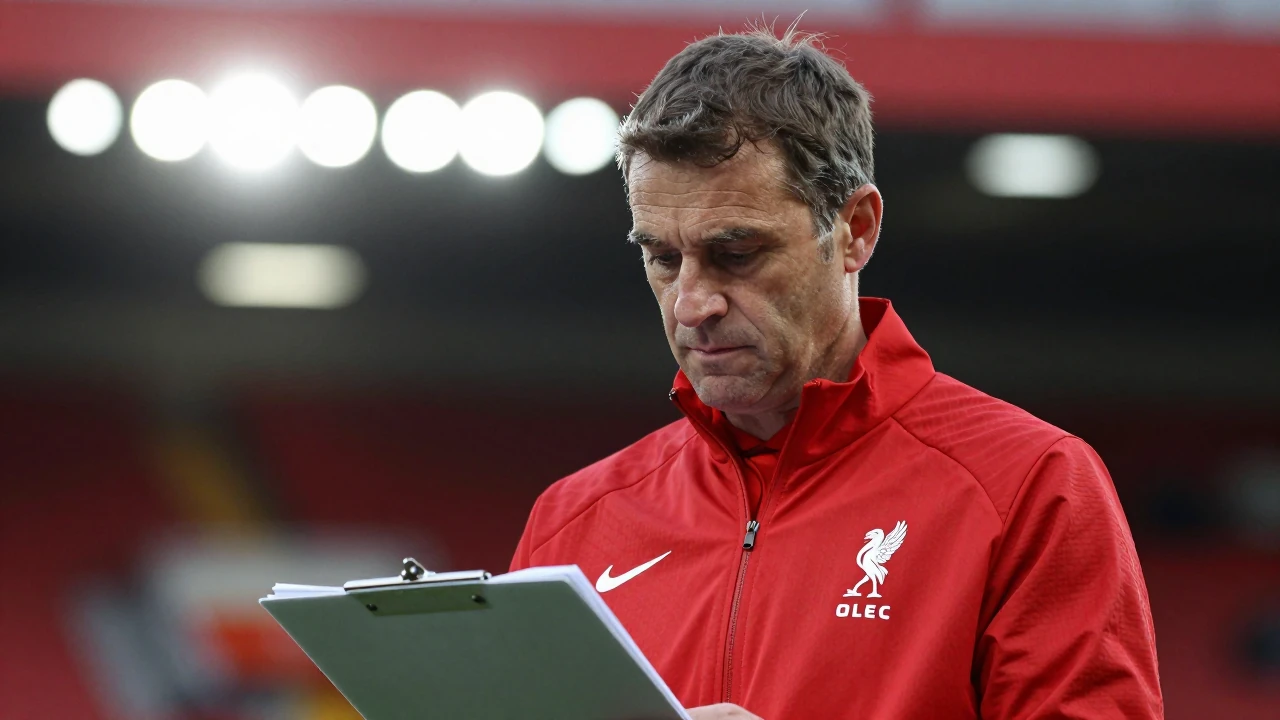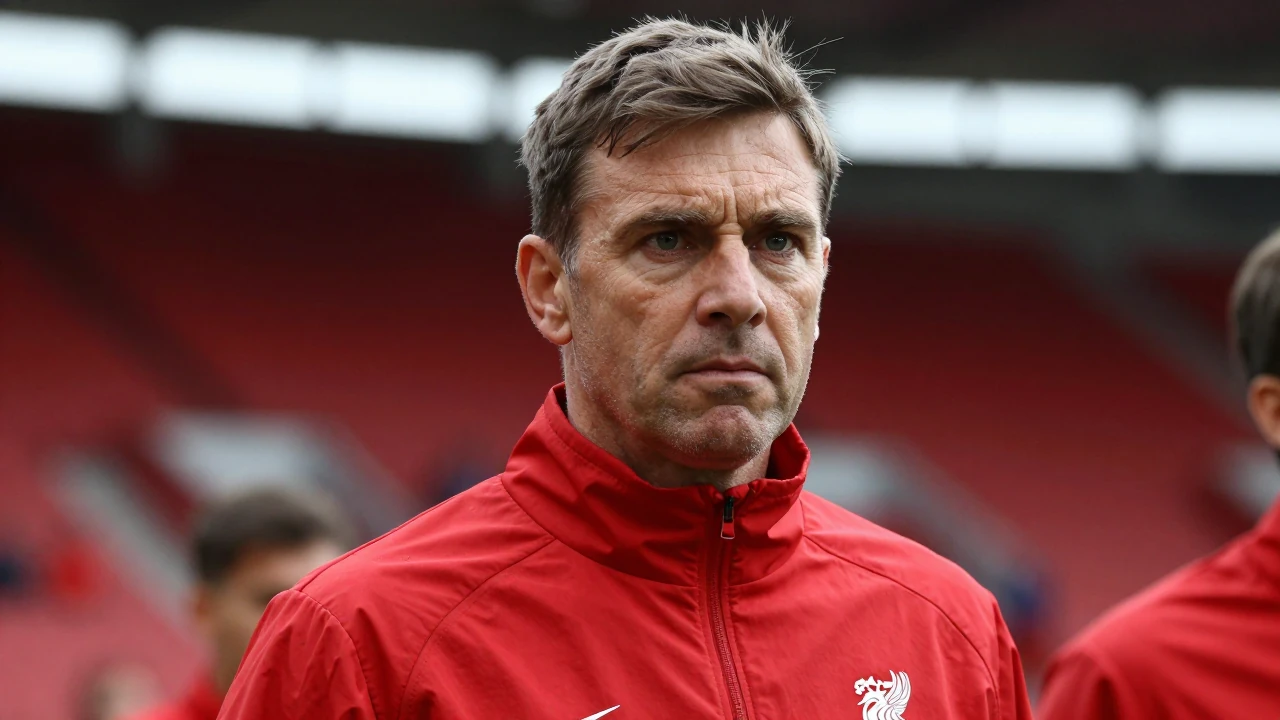
Liverpool Football Club's origin story is rooted in a bitter 1892 rent dispute that saw Everton leave their Anfield home. The club's formation by landlord John Houlding to fill the empty stadium has led to a record 20 English top-flight titles and six European Cups. As of August 31, 2026, the current Liverpool side sits 13th in the Premier League with two points from two draws, scoring and conceding four goals.
Everton Football Club was formed in 1878 and moved into the Anfield ground in 1884. Their first match there was a 5-0 win over Earlestown on September 27. John Houlding purchased the Anfield land outright the following year. Everton thrived at the venue, hosting the first Football League fixture against Accrington Stanley in September 1888 and winning their first English championship there in the 1890-91 season. The relationship soured in 1892 when Houlding sought to increase the annual rent from £100 to £250. The Everton committee refused, leading to a decisive split on March 15, 1892.
With Everton departing, John Houlding was left with an empty stadium. He and his associates moved quickly to establish a new football club to occupy it. The foundations of Liverpool Football Club were laid in March 1892, with the club formally registered on June 3 of that year. Everton, meanwhile, officially opened their new home at Goodison Park on August 24, 1892. Liverpool entered the Football League's second division in 1893, beginning a journey that would eclipse their neighbours' achievements. Everton have won nine top-flight championships, five FA Cups, and the 1984-85 European Cup-Winners' Cup, with their most recent major honour being the 1995 FA Cup.
The divergent paths from the 1892 split have created one of football's great rivalries and contrasting trophy hauls. Liverpool's 20 league titles and six European Cups make them the most successful club in English football history. Their latest championship was secured in the 2024-25 season under manager Arne Slot. Everton's tally of nine league titles, while significant, is less than half of Liverpool's total. This historical context adds weight to every Merseyside derby, with fans well aware of the founding dispute that started it all.
The idea of Liverpool and Everton sharing a home has been proposed several times, most notably in 2010. The Mersey Stadia-Connex Group put forward a 'Siamese-style' stadium plan with a 50,000 seat capacity. This ambitious project included 150 executive boxes, a 300-bed hotel, and an underground car park for 1,350 vehicles, with potential savings estimated at £200 million. Liverpool had previously explored a new 60,000-seat stadium in Stanley Park. Both Liverpool City Council and the Northwest Development Agency encouraged the clubs to consider a shared project. each club pursued its own path, with Everton now building a new stadium at Bramley-Moore Dock and Liverpool remaining at a redeveloped Anfield.
The modern Liverpool team faces the immediate challenge of improving their early-season form. They are four points behind league leaders Manchester City and have a goal difference of zero. Their next fixture is an away match against 12th-placed Ipswich Town on September 4, 2026. A positive result is needed to climb the standings and build momentum. The club's rich history, born from conflict, continues to drive expectations for success in every competition they enter. Fans can follow the team's progress and upcoming matches on our fixtures page.