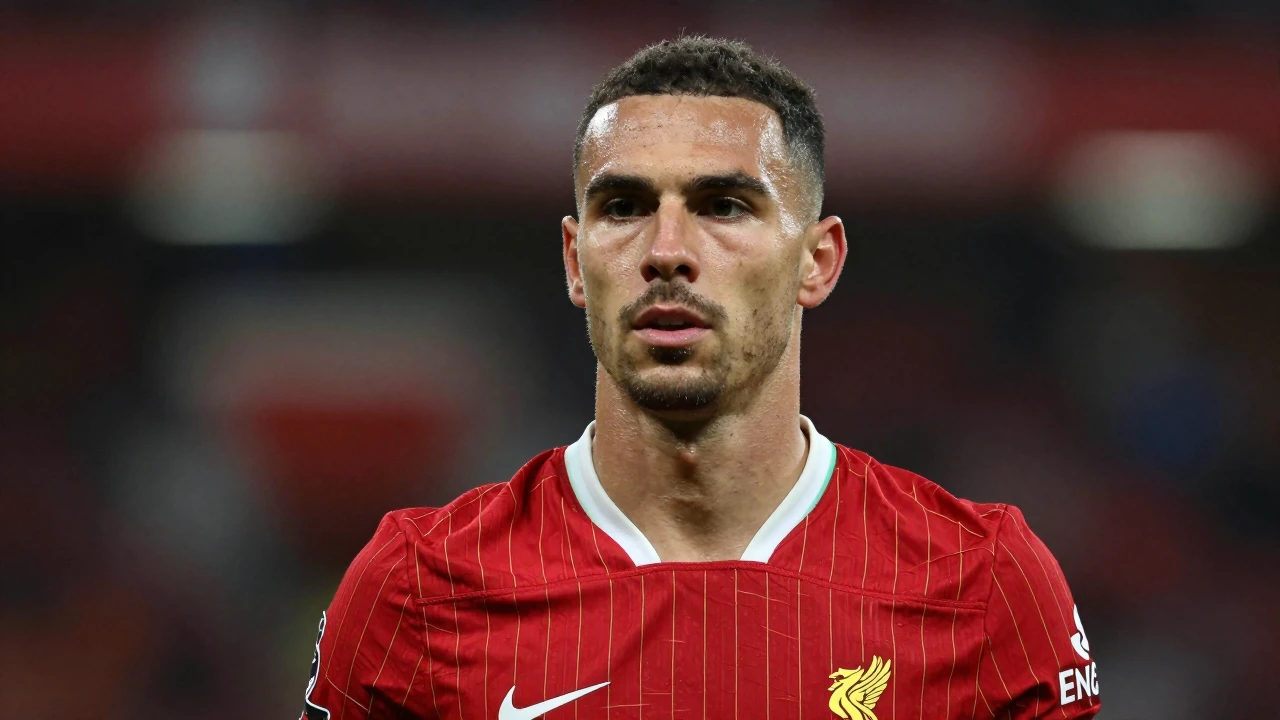
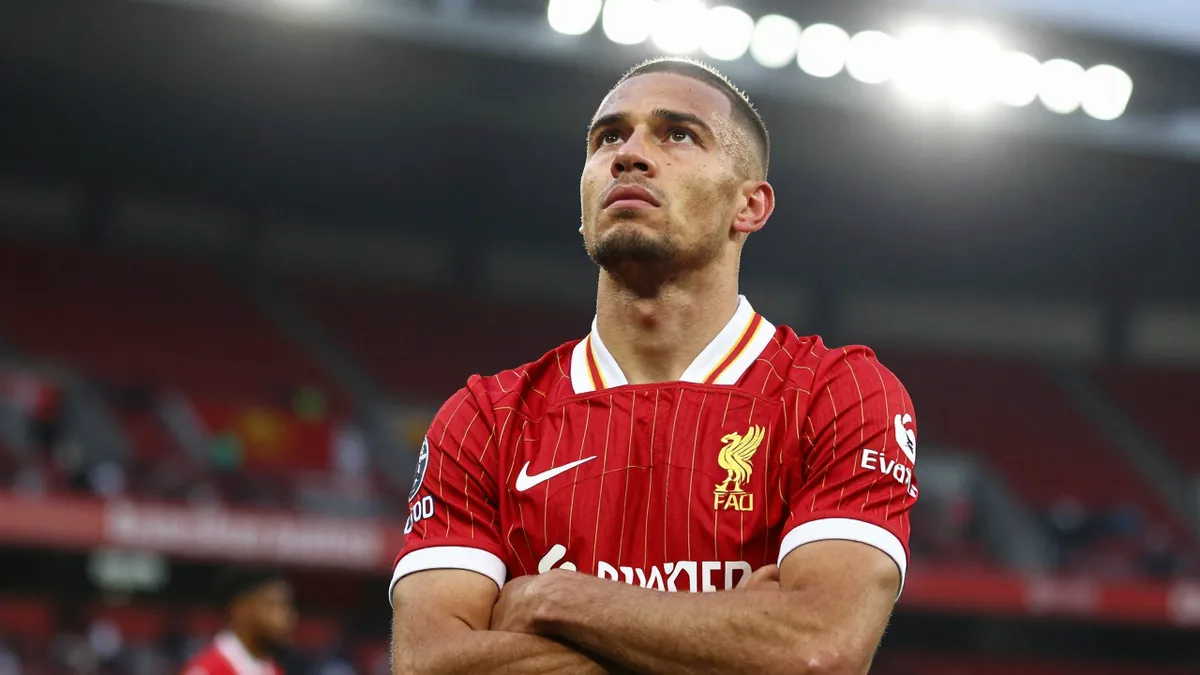
Liverpool are reluctant to weaken their attacking options, particularly after Mohamed Salah's departure and with Hugo Ekitike still recovering from an Achilles injury. The Reds are themselves pursuing Paris St-Germain winger Bradley Barcola but, even if he arrived, Liverpool would be losing one of their most experienced attackers. So why are Spurs interested? And what do the numbers suggest Gakpo would bring to De Zerbi's side?
On the surface, Gakpo looks like another left winger. In reality, he offers considerably more tactical flexibility. Although he has played most of his football for Liverpool from the left, the Netherlands international has regularly been used as a central striker, false nine and second forward. De Zerbi reportedly views him as someone capable of operating through the middle, dropping between the lines to link play before releasing runners beyond him.
The Underlying Numbers Remain Strong
Gakpo's 2025-26 campaign divided opinion among Liverpool supporters, with seven Premier League goals representing his lowest return in a full season at Anfield. The underlying data, however, paints a far more encouraging picture. Though Liverpool struggled collectively, Gakpo actually remained one of Europe's most dangerous wide forwards for finding scoring opportunities. Only seven wingers across Europe's top five leagues averaged more touches in the opposition penalty area than his 2.2 per 90 minutes, while he also ranked inside the top 10 for both open-play shots and chances created.
Gakpo's player comparison profile reinforces those strengths. Compared with positional peers across Europe's top five leagues, Gakpo ranked in the 98th percentile for shot frequency, the 96th percentile for advanced involvement and the 91st percentile for box threat. In other words, very few wide players became involved in dangerous attacking situations more regularly. Those numbers are driven by his willingness to attack space behind defences. Gakpo was caught offside 30 times in the Premier League last season, more than any other player, illustrating how often he looked to run beyond the last defender in search of goalscoring opportunities, as opposed to simply receiving the ball to feet.