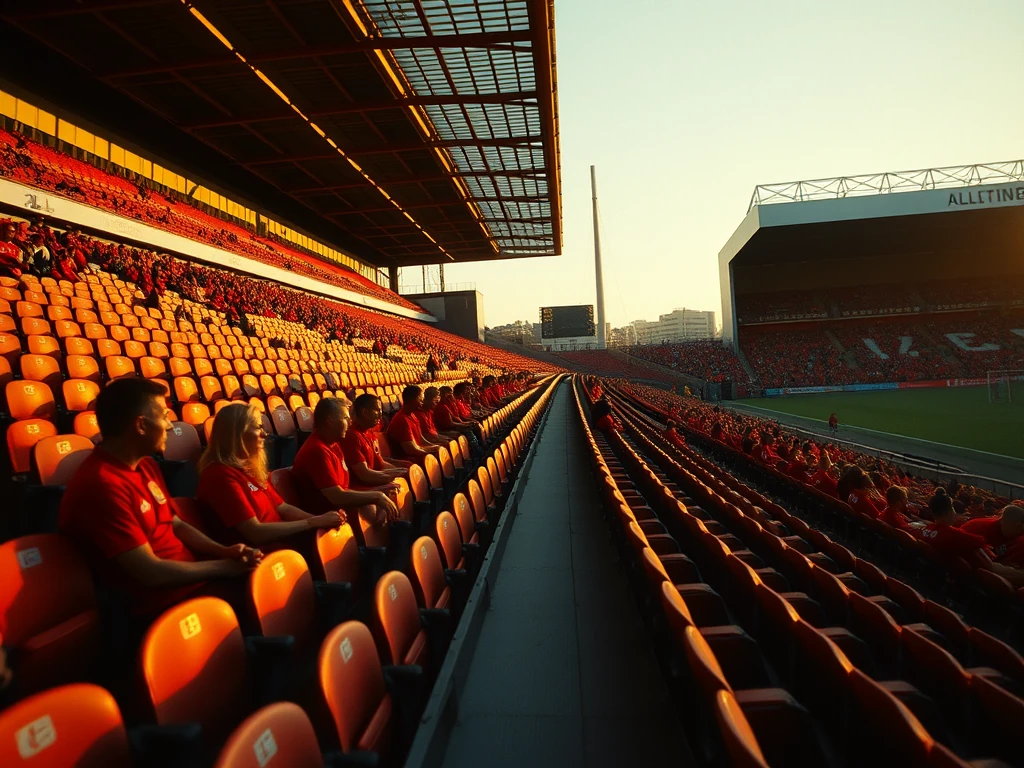
Revisiting Liverpool's Pressing Strategy: A Tactical Necessity
As the season progresses, Liverpool F.C. finds itself at a pivotal juncture, where tactical refinement could be the key to unlocking the squad's full potential. Traditionally known for their high-intensity pressing game, recent performances have shown signs of stagnation, suggesting that a reevaluation of this core strategy could yield significant benefits.
The Current State of Pressing
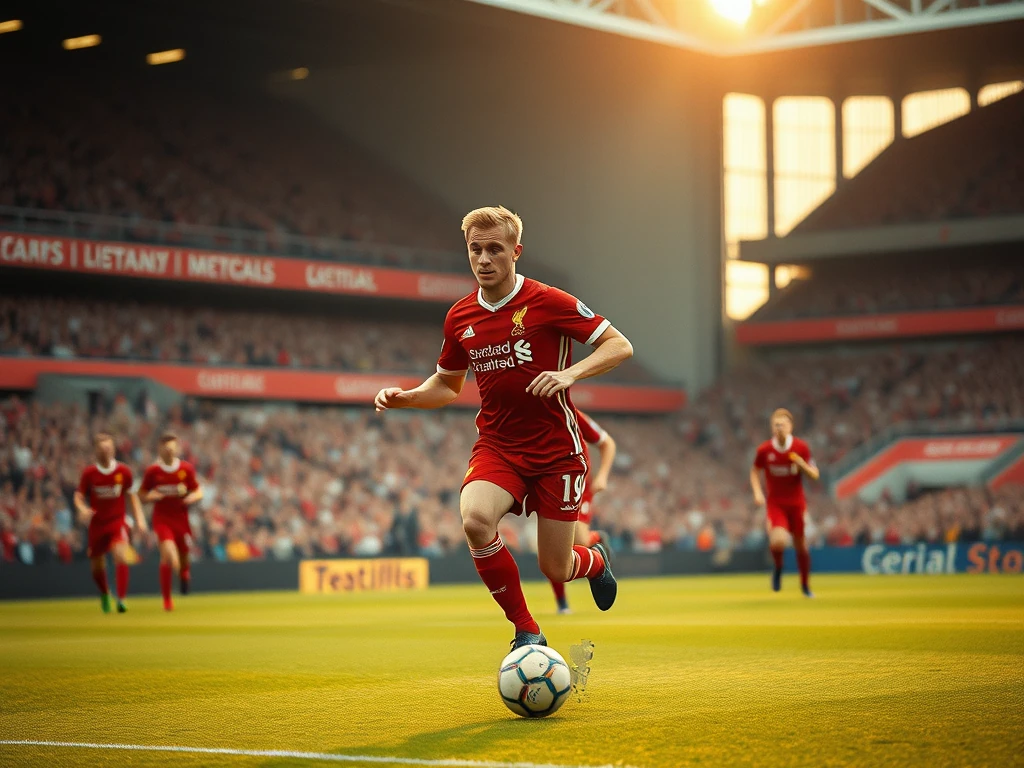
Under the guidance of their manager, Liverpool has historically thrived on a philosophy of relentless pressing, often referred to as 'gegenpressing'. This approach has not only put pressure on the opposition but also enabled The Reds to regain possession in advanced areas, leading to quick transitions and goal-scoring opportunities. However, in recent matches, there have been noticeable lapses in the execution of this tactic.
The pressing triggers that once seemed instinctive for players now appear less synchronized, with instances where the front three fail to engage the opposition effectively. This has led to opposing teams finding greater joy in possession, often leading to counter-attacks that exploit the spaces left behind when Liverpool commits too many bodies forward.
Suggested Tweaks for Improvement
1. Enhanced Communication and Triggers
One of the primary adjustments Liverpool should consider is reinforcing the communication among players regarding pressing triggers. In the heat of the game, the front line must convey their intentions clearly to the midfield and defensive line. This could involve creating clear signals or cues for when to initiate the press, ensuring all players are aligned and ready to execute as a cohesive unit.
2. Adjusting Player Roles
The roles of the front three might also need reevaluation. Currently, players like Mohamed Salah and Darwin Núñez are tasked with pressing from the front, but introducing a more fluid rotation among the attackers could confuse opposing defenders. For instance, allowing Salah to drop deeper occasionally while Núñez or Cody Gakpo pushes forward could create unpredictability in the press, making it harder for defenders to anticipate their next move.
3. Midfield Support and Structure
Liverpool's midfield could provide more dynamic support in pressing situations. Currently, there are moments when the midfielders appear isolated, leaving the forwards to fend for themselves. By encouraging midfielders like Dominik Szoboszlai and Wataru Endo to engage more actively in pressing scenarios, Liverpool can create a tighter structure, reducing the chances of opponents breaking through the lines.
4. Utilizing the Full-Backs
The role of full-backs in the pressing game is vital and often underappreciated. Trent Alexander-Arnold and Andrew Robertson must be more proactive in supporting the press, particularly in wide areas. By pushing higher and narrowing their positions during pressing phases, they can effectively cover the wings while also creating overloads that force opponents into errors.
Conclusion
In revisiting their pressing strategy, Liverpool has the opportunity to reclaim the identity that has defined their recent successes. By enhancing communication, adjusting player roles, reinforcing midfield support, and utilizing full-backs more effectively, The Reds can enhance their pressing game significantly. These tactical tweaks may be the catalyst needed to elevate Liverpool's performances as they strive for league supremacy once again. As the season unfolds, the focus will be on whether these adjustments can reinvigorate the squad and restore the fear factor that Liverpool is known for in the footballing world.