
Liverpool FC's summer transfer business has concluded with a significant financial outlay but lingering questions over the squad's defensive solidity. The Premier League club's net spend this summer sits just under £200 million, including a confirmed January deal for Jeremy Jacquet.
Their first two league outings have yielded two draws, leaving them 13th in the table with two points and a zero goal difference. They have scored four goals but conceded an equal number, a vulnerability that has sparked debate about the summer's recruitment priorities.
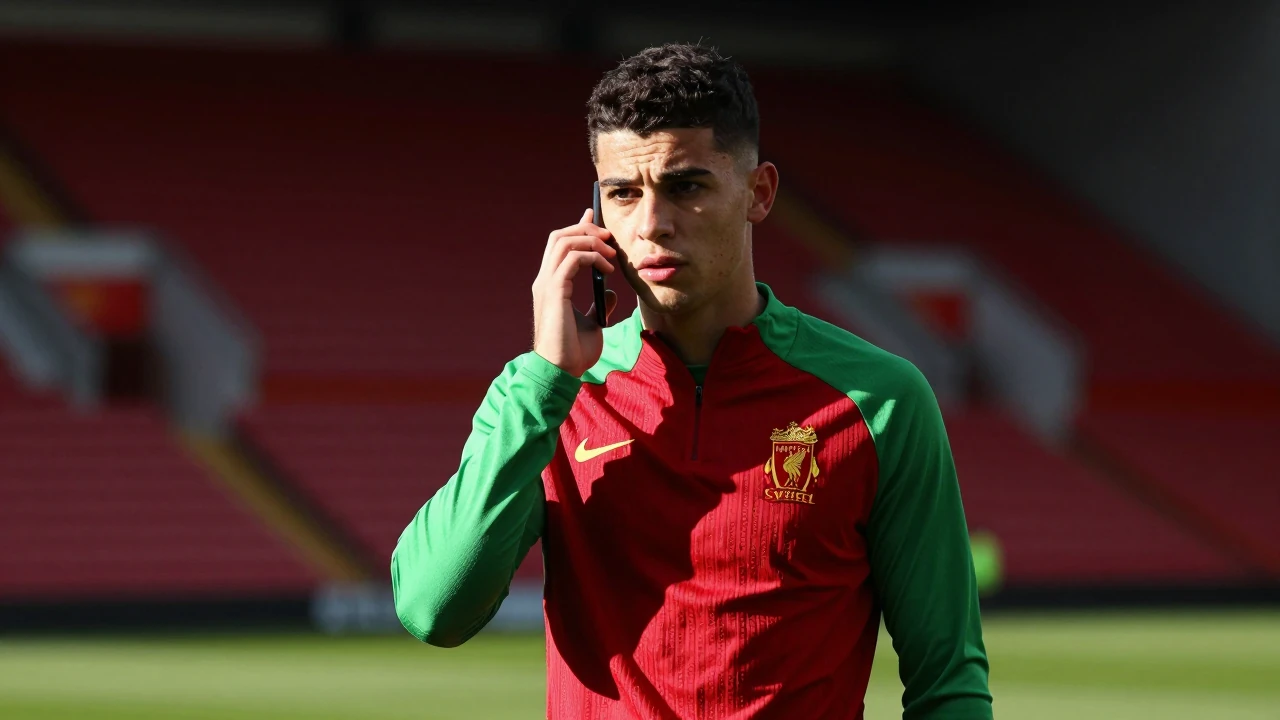
Liverpool committed a combined £217.5 million to bring in three players. The headline arrival was France forward Bradley Barcola, who joined for £123 million from his previous club, choosing Liverpool despite interest from Arsenal. The 24-year-old became the club's second most expensive signing of the window.
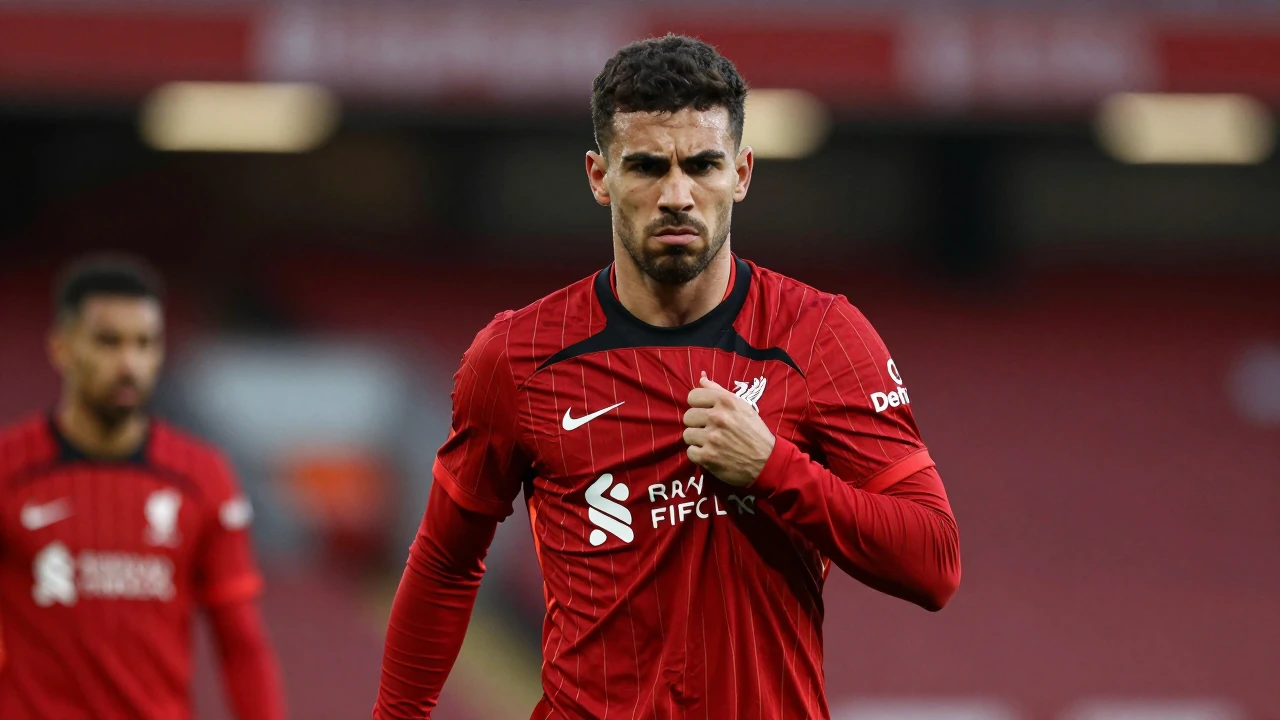
Defensive reinforcements came in the form of a loan deal for Barcelona's Ronald Araujo, a 27-year-old Uruguayan centre-back viewed as a stop-gap solution. The agreement includes an option to buy him for £47 million next summer, coinciding with the expiry of Virgil van Dijk's contract. Victor Munoz also arrived to bolster the squad's options.
The early-season statistics highlight the issue. Conceding twice in both of their opening Premier League matches has placed immediate focus on the back line. Injuries have played a part, with Joe Gomez's pre-season problem directly leading to the emergency loan signing of Araujo. The squad's injuries list also includes long-term absentees Giovanni Leoni and Conor Bradley.
Manager Andoni Iraola suggested after the 2-2 draw at Newcastle that the problems were not solely about personnel in midfield when his side was caught on the counter twice. However, the full-back positions have seen underwhelming starts from Milos Kerkez and Jeremie Frimpong. The club reportedly failed to secure Malo Gusto on a deadline-day loan from Chelsea and are now willing to wait for Bradley's return from a knee injury.
Internally, there is belief in young talent. Leoni, 19, and the incoming Jacquet, 21, are considered two of the best young centre-backs in Europe. The academy also has promising teenagers like Mor Talla Ndiaye and Ifeanyi Ndukwe.
This remains a pointed question. Former Liverpool striker Daniel Sturridge stated the club has needed a dedicated defensive midfielder for three years, a void left since Fabinho's 2023 departure. Senior figures at Anfield are reportedly content with their current options, which include Wataru Endo and the emerging 19-year-old Trey Nyoni.
The club looked at Lamine Camara but had no concrete plan to buy a midfielder this summer. Any permanent move for a player in that position would now be deferred until at least the January window. Key midfield assets have been secured, with Dominik Szoboszlai and Ryan Gravenberch signing new long-term deals this year, and Alexis Mac Allister staying put despite Manchester City's interest.
The average age of signings across the past two windows is 22, indicating a clear strategy of building for the future. This is further evidenced by the signing of 18-year-old goalkeeper Lucca Brughmans from Genk for a deal that could reach £30m, a product of the same academy that developed Thibaut Courtois. With Alisson's contract expiring next summer and Giorgi Mamardashvili struggling, Brughmans represents a potential long-term solution.
The immediate challenge is a busy schedule. Liverpool's Champions League campaign begins on 10 September, meaning two games per week for much of the season. They are already four points behind early leaders Manchester City in the title race. The next test is an away trip to face Ipswich, who are 12th, on 4 September.
The club believes performance levels will rise once injured players return. Only the coming weeks will show if this squad, fearsome in attack but currently light at the back, is strong enough to compete on all four fronts this season.